Culture · Cover story 커버스토리
Korea is no longer a flight away
The Korea people fall for in Manila is not a copy. It is a new local ritual.
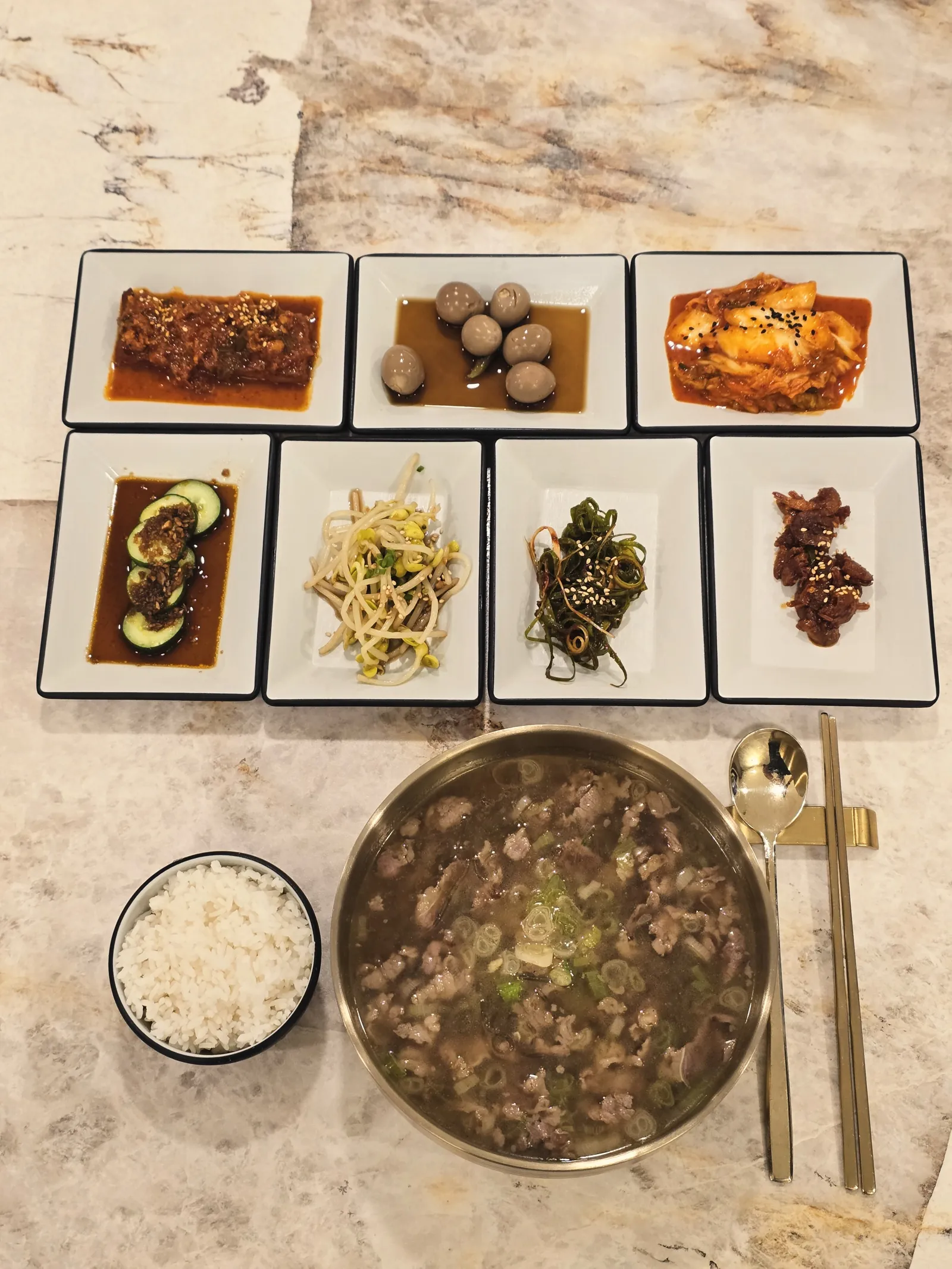
There was a time when Korean culture in Manila meant a restaurant recommendation from a friend, a drama watched late at night, or a suitcase full of snacks brought home from a trip. Today, it is much closer than that.
Korea has become part of the city’s everyday rhythm. A Korean meal can be a family gathering. A late-night soup can be the answer after a long shift. A foot massage can become a weekly reset. A convenience-store drink, a beauty routine, a shared plate of chicken: these small experiences have made Korean culture feel lived in, not imported.
What makes this moment interesting is that Manila is not simply consuming Korean culture. The city is translating it. Filipinos bring their own instinct for hospitality, celebration, comfort, and togetherness. The result is a version of Korea that feels familiar enough to return to, and different enough to keep discovering.
The numbers back up what Manila already feels. The Korea Foundation counted about 225 million members of Hallyu fan communities worldwide in its 2023 survey. And the traffic runs both ways: about 520,000 Filipinos visited Korea in 2024, half as many again as the year before, more than from any other Southeast Asian country.
“The best parts of culture are the ones you can live.”
This first issue is an invitation to step off the screen. Eat slowly. Go out. Bring your friends. Find your own way in.
Words in this story
- Hallyu 한류The Korean wave: the spread of Korean music, drama, food, and beauty around the world.
- Jeong 정The warmth and attachment that builds between people over time, very often over shared meals.
- Uri 우리“We” or “our.” Koreans say our house, our mother: a language that leans toward the group.
Questions readers ask
What is Hallyu?
Hallyu, the Korean wave, is the worldwide spread of Korean music, drama, film, food and beauty since the late 1990s.
How many Filipinos visit Korea?
About 520,000 in 2024, according to the Korea Tourism Organization, and about 454,000 in the first eight months of 2026.
What does jeong mean?
Jeong (정) is the warmth and attachment that builds between people over time, often over shared meals.